
Root Canals and Retreatment in Norwood
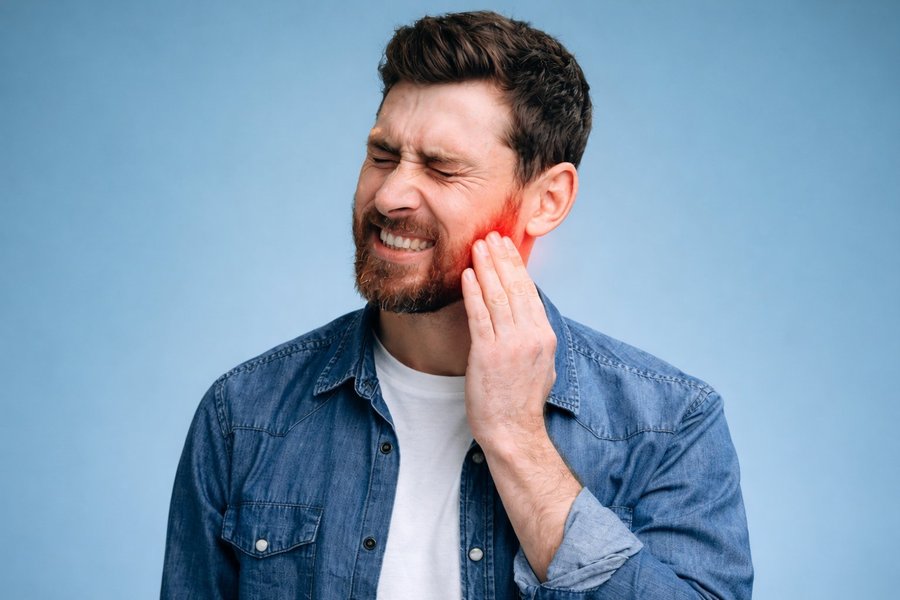
Some patients come to us with a brand-new toothache. Others have a tooth that had a root canal years ago, maybe at another office, and now it's sore or the gum next to it has swollen. Both situations are treated here.
In either case, the goal is the same one Dr. Kaceli brings to every plan: keep the natural tooth if there's a reasonable way to do it. A tooth that gets the right treatment can often stay in place for years.
How Root Canal Treatment Saves a Tooth
The center of each tooth holds the pulp, a bundle of nerve and blood vessels that extends into the roots. When decay, a fracture or an injury lets bacteria reach the pulp, it becomes inflamed or infected, and it won't recover on its own.
Treatment removes that tissue, disinfects the root canals and seals them. The outer tooth stays, which means you keep your own root anchored in the jaw. Afterward, a dental crown in Norwood or other restoration is often recommended to protect the tooth from cracking.
When an Older Root Canal Needs Attention
Endodontic retreatment is for a tooth that already had a root canal but has become reinfected or developed a new problem. Bacteria can get back in through new decay, a loose or broken crown, or a crack. Sometimes a canal was very narrow or curved and wasn't fully cleaned the first time.
Signs can include pain when biting, a pimple-like bump on the gum, swelling or tenderness around a tooth you thought was finished. Some cases are only found on X-rays.
What Retreatment Involves
- Getting comfortableLocal anesthesia numbs the tooth. Sedation is available if you'd like help relaxing.
- Reopening the toothDr. Kaceli makes an opening through the existing crown or filling to reach the canals.
- Removing old materialThe previous filling material is taken out of the canals.
- Cleaning and reshapingThe canals are cleaned, disinfected and reshaped, and any missed canals are treated.
- Refilling and sealingThe canals are filled again and the tooth is sealed. A new crown or bridge may be recommended to restore and protect it.
Retreatment is usually done in one or two visits.
Root Canal or Extraction?
Patients often ask whether it would be simpler to just remove the tooth. Sometimes it is, if the tooth is split or there isn't enough healthy structure left to restore. More often, saving it means less work later, because an extracted tooth usually needs to be replaced with an implant, bridge or denture to keep your bite stable.
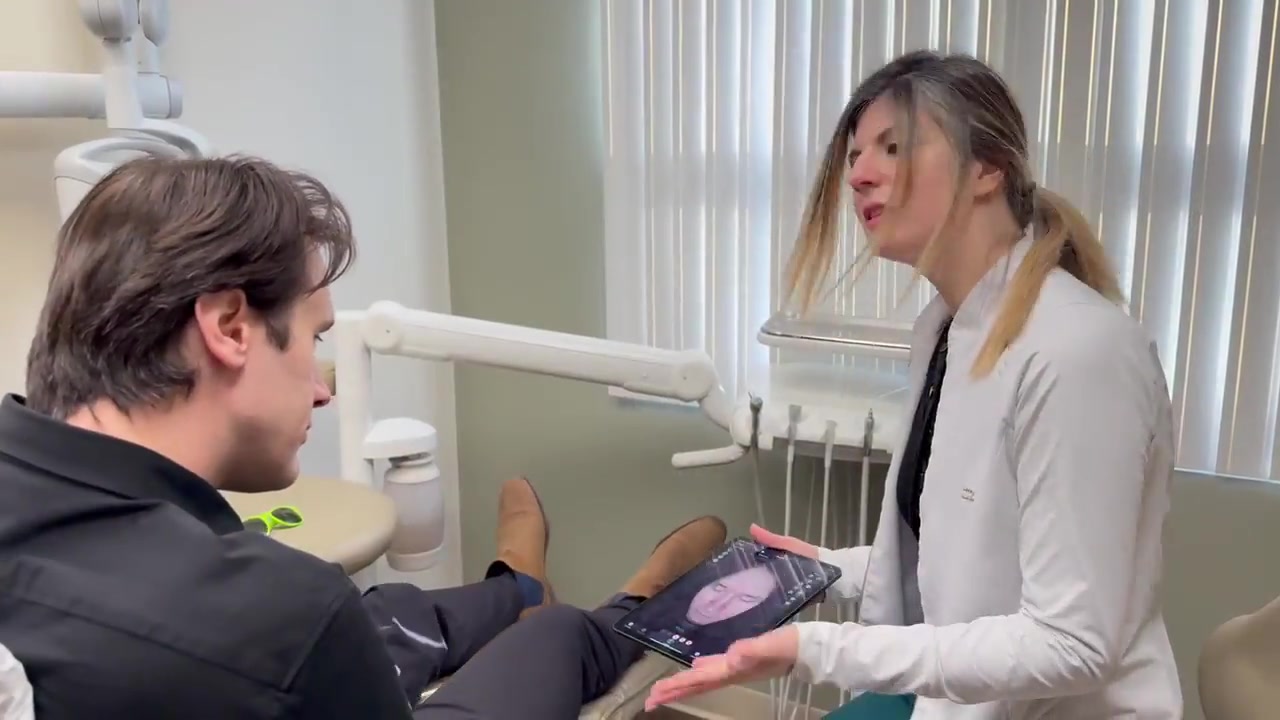
Our Norwood office has CBCT 3D cone-beam imaging, which shows the tooth and roots from every angle. When standard X-rays leave questions, it can help Dr. Kaceli see what's going on before recommending an extraction or another round of treatment.
Recovery
Expect mild soreness for a few days after a root canal or retreatment. Chew on the opposite side until the final restoration is in place, and call the office if pain increases or swelling appears.
Why Choose Kaceli Dental Studio in Norwood?
Retreatment can feel discouraging when you thought a tooth was taken care of. Dr. Kaceli takes the time to explain why the tooth is acting up, and lays out your options without pressure.
- Sedation available for patients who feel anxious
- CBCT 3D imaging in the Norwood office
- Flat-screen TVs in every treatment room
- Open the third Friday and third Saturday of each month
- Financing through Cherry and Sunbit