
Better Sleep Starts With the Right Diagnosis
Maybe your partner has moved to the guest room because of your snoring. Maybe you sleep a full night and still wake up foggy, with a dry mouth or a headache. Signs like these can point to obstructive sleep apnea, where the airway narrows or closes over and over during sleep.
Untreated sleep apnea has been linked to other health problems, which is why getting a proper diagnosis matters. A dentist can't diagnose it on their own. That step happens with a physician, usually through a sleep study, and our Newton office can help you get there.
Common Signs of Obstructive Sleep Apnea
- Loud, frequent snoring
- Gasping or choking during sleep, often noticed by a bed partner
- Daytime tiredness even after a full night in bed
- Trouble concentrating
- Waking with a dry mouth or a morning headache
Having one or two of these doesn't mean you have sleep apnea. If several sound familiar, mention them at your next dental exam in Newton or call to ask about an evaluation.
How We Work With a Sleep Physician
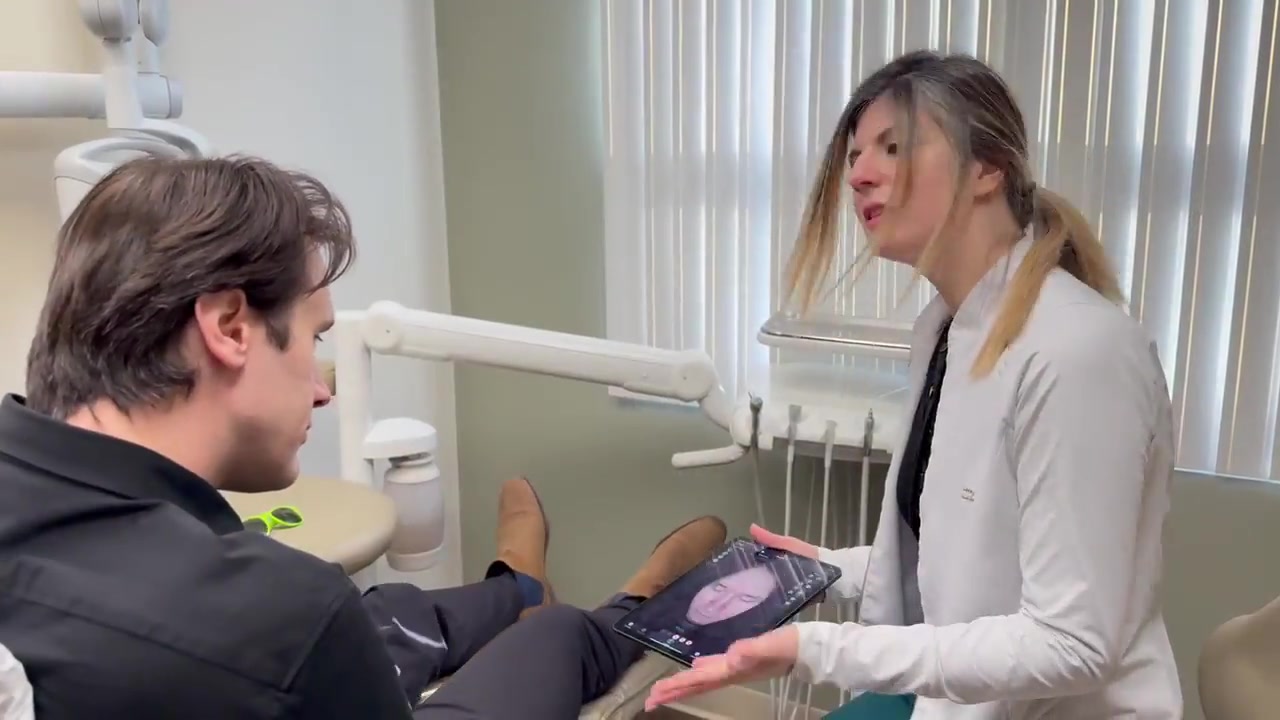
Dr. Adrian Velasquez, MD, is a board-certified sleep physician and the owner of Sleep Better Clinic. He coordinates and interprets sleep studies and works with our practice on referrals and on oral appliances for obstructive sleep apnea.
Before an appliance is made for sleep apnea, an evaluation by a sleep specialist is needed. The results tell us whether you have sleep apnea, how severe it is and whether an oral appliance is a reasonable choice. Dr. Kaceli is a member of the American Academy of Dental Sleep Medicine (AADSM) and focuses on the dental side: the fit, comfort and adjustment of the device.
Oral Appliances and Who They Suit
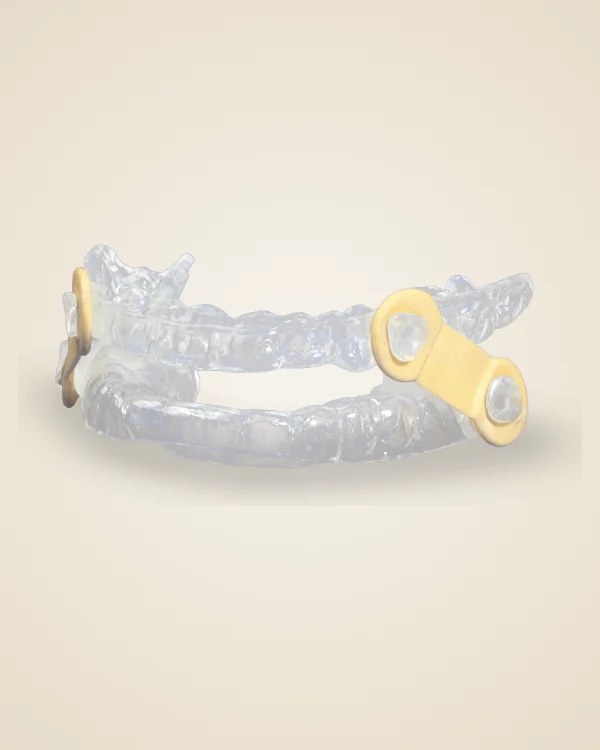
Oral appliance therapy uses a custom device worn in the mouth at night. There are two main types:
- Mandibular advancement devices fit over the upper and lower teeth and hold the lower jaw slightly forward, which helps keep the airway open.
- Tongue-retaining devices hold the tongue forward so it's less likely to fall back and block the airway.
Appliances are often a fit for people with snoring or mild to moderate obstructive sleep apnea. They can also be an option for someone with more severe sleep apnea who has tried CPAP and can't tolerate it or doesn't want to use it. Your sleep physician and Dr. Kaceli will talk through whether that applies to you.
An appliance can also be combined with other approaches your physician recommends, such as lifestyle changes or positional therapy.
Getting Your Appliance
- DiagnosisA sleep study and physician evaluation confirm what's happening while you sleep.
- Dental evaluationDr. Kaceli checks your teeth, gums and jaw to make sure an appliance is a good match for your mouth.
- ImpressionsImpressions of your teeth are sent to a dental lab, where the appliance is made to fit you.
- FittingYou'll try the appliance in the office and learn how to put it in, take it out and clean it.
- Follow-upFollow-up visits fine-tune the fit, and you'll come back for an annual check to make sure it still works well.
Living With an Oral Appliance
It can take a little time to get used to sleeping with a device. Some people notice jaw soreness, extra saliva or a slight change in how their teeth meet in the morning. Tell us about anything that bothers you, since small adjustments often help.
Keep up with regular cleanings, because healthy teeth and gums are what hold the appliance in place. If you also grind your teeth, ask whether a night guard is still needed.
Why Choose Kaceli Dental Studio in Newton?
Sleep apnea care works best when the dentist and the physician talk to each other. Our Newton Centre office works with Dr. Velasquez and Sleep Better Clinic on referrals and sleep studies, so you're not left coordinating two offices yourself.
Patients from Newton Centre, Wellesley, Needham, Brookline and Dedham can be seen close to home for fittings and follow-ups. Amy Orsini at the front desk can help with insurance benefit questions, and financing through Cherry and Sunbit is available. You can also learn more about Dr. Kaceli and her training.