
Why the Jawbone Shrinks
The bone around a tooth is kept healthy by the tooth itself. After a tooth is removed, that bone starts to shrink, and most of the change happens in the first months. Gum disease and long-term infection can also wear bone away.
Less bone can make an implant impossible to place, change the shape of your face over time, and leave neighboring teeth with less support.
Types of Bone Grafts
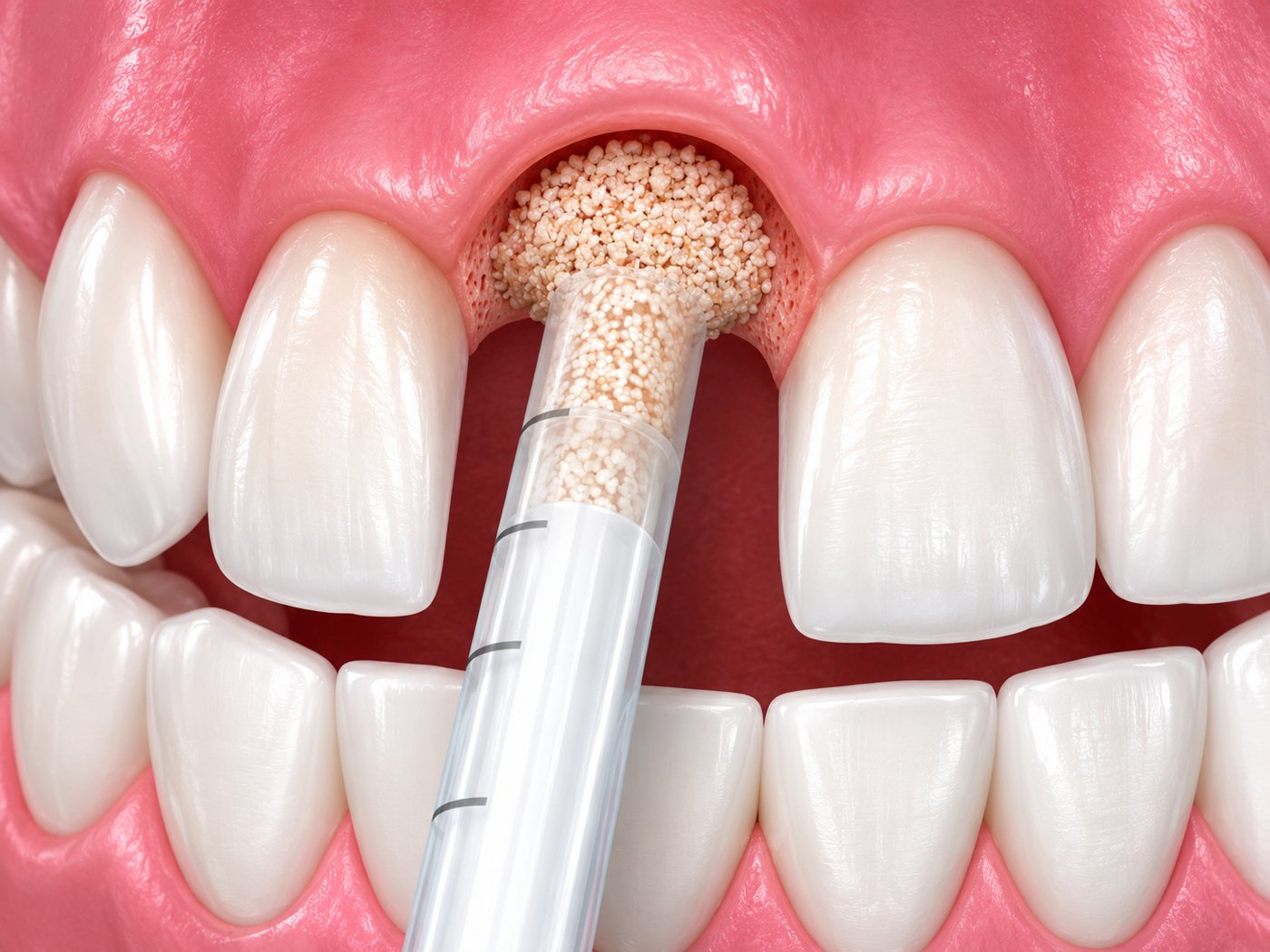
- Socket preservationGraft material is placed in the socket right after a tooth extraction to limit bone loss while it heals.
- Ridge augmentationRebuilds the width or height of the jawbone where bone has already been lost.
- Grafting around implantsSmall grafts can be placed at the same time as a dental implant when only a little extra bone is needed.
Graft material can come from a tissue bank, from animal sources or synthetic materials, or occasionally from your own bone. It acts as a scaffold that your body gradually replaces with new bone of its own.
Planning and Healing
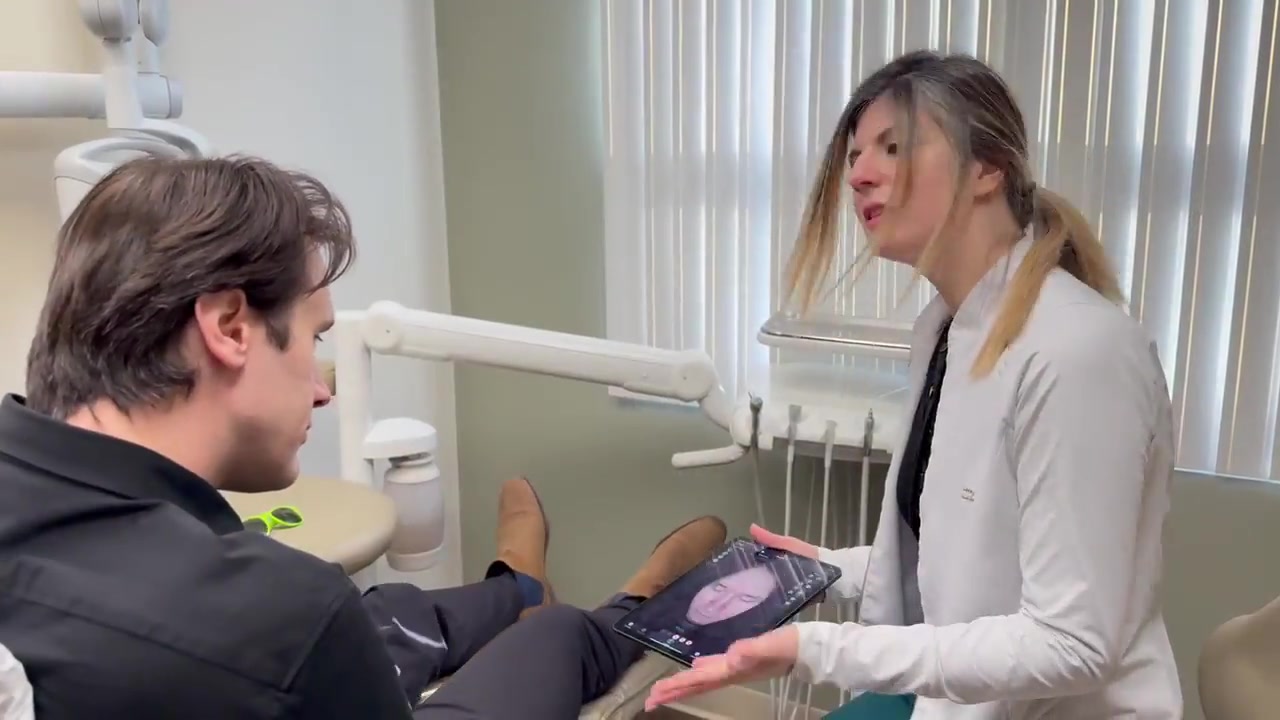
We use 3D imaging to see exactly how much bone you have and where. That lets us plan the graft and, later, the implant position precisely.
Most grafts heal for about three to six months before an implant is placed, depending on the size and type of graft. Small grafts placed with an implant heal along with it. Mild swelling and soreness for a few days afterward is normal.
Who Performs It
Bone grafting is planned by Dr. Monika Kaceli together with periodontist Dr. Milagros Serrano, who focuses on implants, bone grafting and soft tissue grafting. Because both work within our practice, your extraction, graft, implant and final crown are planned as one treatment.
Bone Grafting at Our Norwood Office
- 3D imaging on site for precise planning
- A periodontist on our team for grafting and implant placement
- Extractions, grafts, implants and crowns coordinated in one practice
- Clear estimates and timelines before you begin